
Our Top Five Sensory Tools That Actually Made a Difference
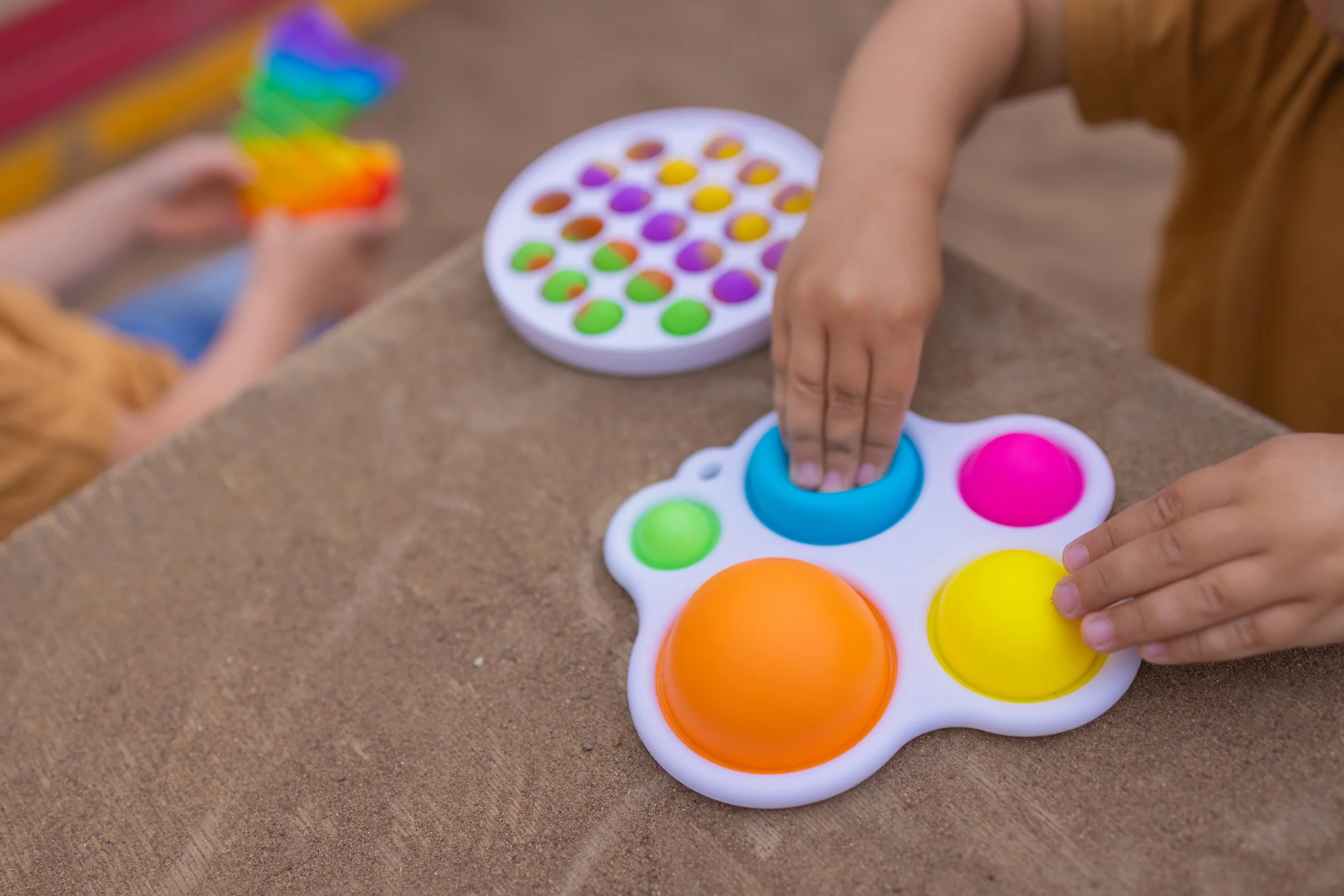
There are a lot of sensory products out there.
And if you have ever searched for sensory tools for an autistic or neurodivergent child, you already know how quickly that search can become overwhelming. There are weighted everything, fidget everything, calming everything, and approximately 4,000 products promising to help your child regulate, focus, sleep, eat, or do all three before breakfast.
Some things make a difference. Some things end up in a closet.
These are five sensory tools that actually became part of our everyday life.
1. A Weighted Plushie or Teddy Bear
Sometimes a child doesn't need another complicated sensory gadget. Sometimes they need something soft to hold.
A weighted plushie can provide gentle, comforting pressure while still feeling like a familiar toy. For us, the fact that it was a teddy bear mattered. It wasn't something that felt clinical or like another piece of equipment. It was something that could sit on the couch, come along for a car ride, or become part of the bedtime routine.
The best sensory tools don't always announce themselves as sensory tools. Sometimes they're just a favorite stuffed animal with a little extra weight.
As with any weighted product, follow the manufacturer's age, weight, and safety guidance and supervise use as appropriate.
2. Sensory Headphones
Noise can be a lot.
Restaurants. Airports. School events. Vacuums. Crowds. Birthday parties. Basically anywhere several people have decided to make sound at the same time.
Sensory headphones give kids another option when the environment becomes too loud or unpredictable. They can help reduce the intensity of surrounding noise without requiring a child to leave the space entirely.
For us, that's the important part. The goal isn't always to escape the world. Sometimes it's having the right tool to participate in it comfortably.
3. The Cheap Cubby Tent That Goes Over the Bed
This might be one of my favorite sensory finds because it doesn't have to be fancy.
A simple cubby-style tent that fits over a bed can create a small, predictable space without requiring an entire sensory room. It gives a child somewhere to retreat, play, read, decompress, or simply be left alone for a minute.
And because it goes over the bed, it doesn't take up additional floor space.
Sometimes creating a sensory-friendly environment is less about buying something specifically marketed for sensory needs and more about changing the environment you already have.
4. A Bento Box or Bento Plate for Meals at Home
Sensory needs don't stop at playtime.
For some kids, the way food is presented can make a huge difference. A bento box or divided plate can keep foods separated, make the meal feel more predictable, and give kids some control over what is touching what.
That may sound small. At mealtime, small can be huge.
We love tools that make everyday routines easier without turning them into another intervention. A divided plate is just a plate. But for a child who has strong preferences around food, texture, or food touching, that little bit of predictability can make sitting down to eat feel much more manageable.
5. Flavorless Toothpaste
Let's talk about the battle nobody puts on the Pinterest board: brushing teeth.
Toothpaste can be a sensory nightmare. Mint. Foam. Strong flavors. That intense burning sensation that somehow became the default expectation of "clean teeth."
Flavorless toothpaste gives kids who struggle with those sensations another option. And when the goal is getting through an everyday hygiene routine, removing one unnecessary sensory obstacle can make a surprisingly big difference.
Sometimes the most helpful sensory tool isn't something that helps a child calm down. It's something that makes an ordinary task possible.
The Bigger Lesson
None of these tools is magic. And what works for one child may be completely wrong for another.
That's actually one of the things we care about most at Miko's Code. Sensory support isn't about finding the one perfect product for an autistic or neurodivergent child. It's about creating more options.
A quieter environment. A little pressure. A familiar space. Food that isn't touching. Toothpaste that doesn't taste like toothpaste.
The right tool can make a hard moment easier, an everyday routine more manageable, or simply give a child another way to move through the world comfortably.
And sometimes, that's enough.
Miko's Code is a small shop built by a neurodivergent family, for neurodivergent families. We carry books, toys, and sensory tools chosen by someone who has sat in that IEP room and knows what it costs to show up for your kid. If you're looking for resources to support your child at home, we'd love to help.
