
Navigating Independence and the Scaries: Miko’s First Bus Ride
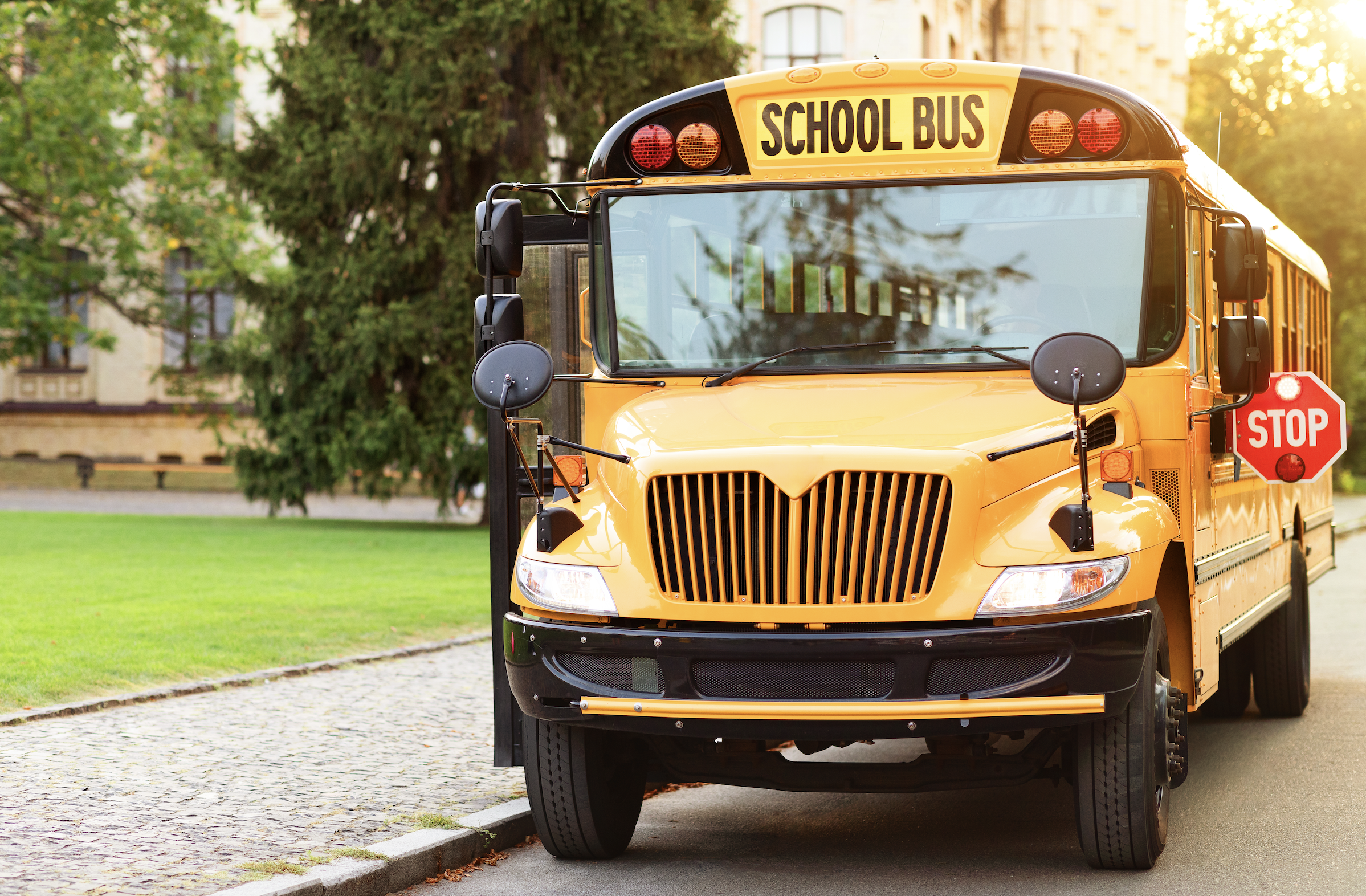
There are a lot of things nobody tells you about raising a child with a disability. One of them is how complicated it can feel to watch your child do something new.
You want them to experience the world. You want them to build confidence, develop independence, and discover what they're capable of. You want them to have opportunities to try things, make choices, and figure things out for themselves.
And then the opportunity comes, and suddenly you're thinking about every possible thing that could go wrong.
That was me thinking about Miko riding the bus for the first time.
For a lot of families, a first bus ride might not seem like a particularly big deal. It's transportation. You get on, find a seat, and get where you're going.
But when you're raising an autistic child, sometimes the ordinary things require a little more thought. There are unfamiliar environments, new routines, unexpected noises, transitions, and all the little variables that can make an experience feel overwhelming. There's also the question of how much support your child might need and how to help them navigate the experience safely.
And then there's trying to figure out when to step in and when to let go.
I want Miko to be independent. I want him to know that he can try new things, learn new skills, and participate in the world around him. I want him to have experiences that belong to him, separate from me.
But I also know that independence isn't something you can rush. It doesn't happen because we decide our children are ready, and it doesn't look the same for every child.
For some children, independence might mean riding the bus alone. For others, it might mean learning the route with a trusted adult, practicing what to expect, or becoming comfortable with one part of the journey at a time.
All of those things count.
I've been learning that my job isn't to eliminate every risk or make sure Miko never feels uncomfortable. My job is to help him build the skills, support, and confidence he needs to navigate new experiences in a way that works for him.
That means preparing where we can. It means thinking through what support he might need. It means giving him opportunities to practice. And it means accepting that I won't always be able to predict how things will go.
That last part is where the scaries live.
Because even when you've prepared, even when you've thought through the details, even when you know something is an important step forward, there's still that little voice asking whether you're doing the right thing.
What if he gets overwhelmed? What if something unexpected happens? What if he needs me and I'm not right there?
I don't think those questions mean we shouldn't move forward. I think they mean we care about getting it right. The challenge is making sure our fear doesn't become the boundary around what our children are allowed to experience.
Disabled children deserve opportunities to build independence, too. They deserve the chance to learn, explore, take appropriate risks, and discover what works for them. They deserve support that helps them participate, rather than assumptions that decide what they can handle before they've had the chance to try.
And parents deserve room to learn how to do this, too.
I'm still figuring it out. I'm learning how to hold the desire to protect Miko alongside the responsibility to make room for him to grow. I'm learning that supporting independence doesn't mean withdrawing support. Sometimes it means changing the kind of support we provide as our children develop new skills.
So, we're taking the steps. We're trying the new things. We're making room for the excitement and the nerves to exist at the same time.
Because independence isn't one big moment when a child suddenly no longer needs you. It's built through all the little moments when they get to try, learn, practice, and try again.
And sometimes, it starts with a bus ride.
I'm proud of Miko for taking that step. I'm proud of myself for making room for it, too.
We'll keep learning as we go.
That's what growing together looks like.
